01
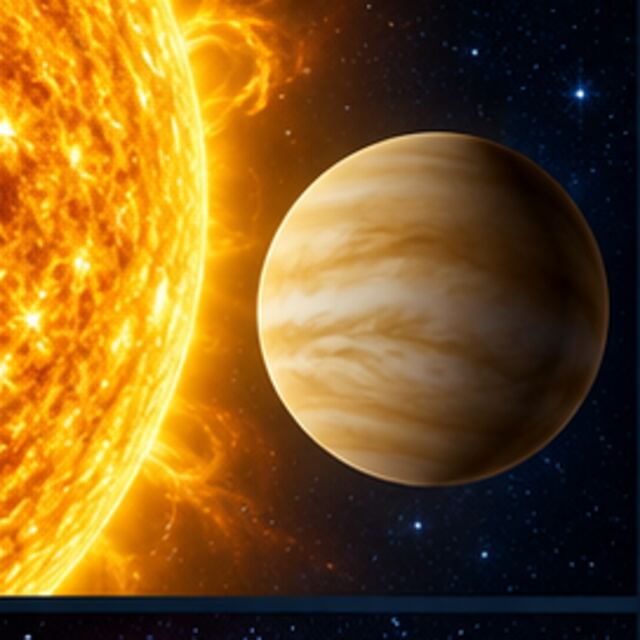
A day on Venus is longer than its year
Venus turns on its axis very slowly. One rotation takes about 243 Earth days, while one trip around the Sun takes about 225 days.
TEO KOSMOS FOR YOUNG EXPLORERS
Twenty discoveries to make the Universe feel closer.
Venus turns on its axis very slowly. One rotation takes about 243 Earth days, while one trip around the Sun takes about 225 days.
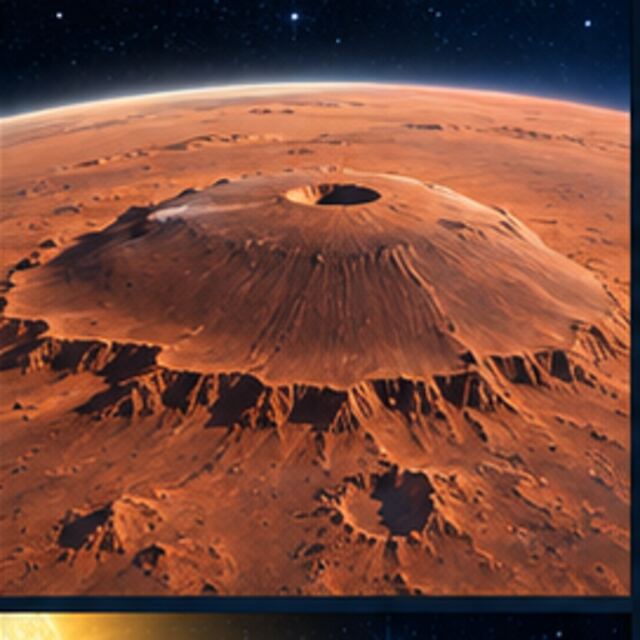
Olympus Mons is about 22 kilometres high. It is nearly three times taller than Mount Everest.
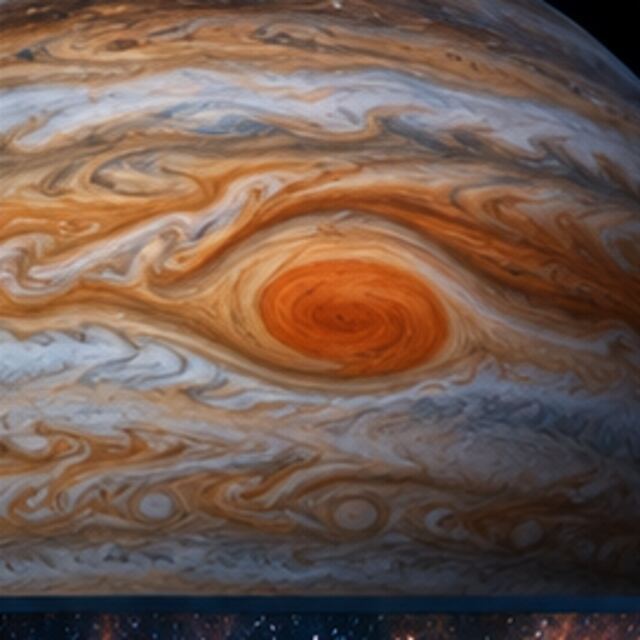
The Great Red Spot is a huge atmospheric storm that astronomers have watched for centuries. It is so large that its size can be compared with Earth.
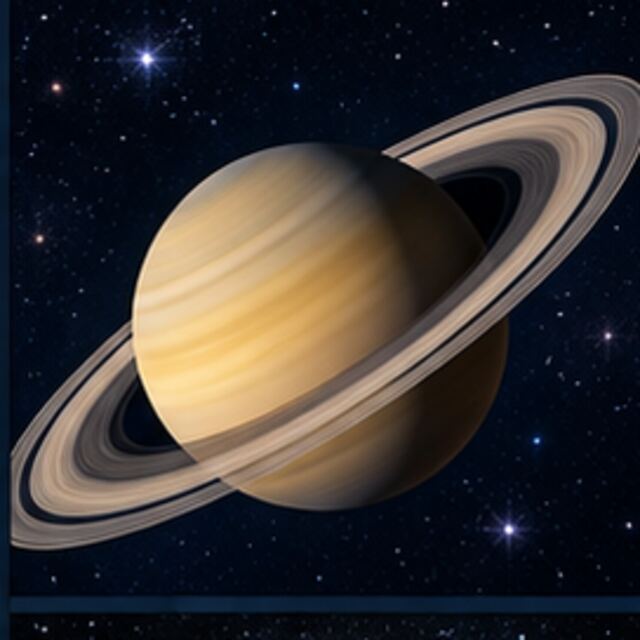
Saturn’s average density is lower than the density of water.
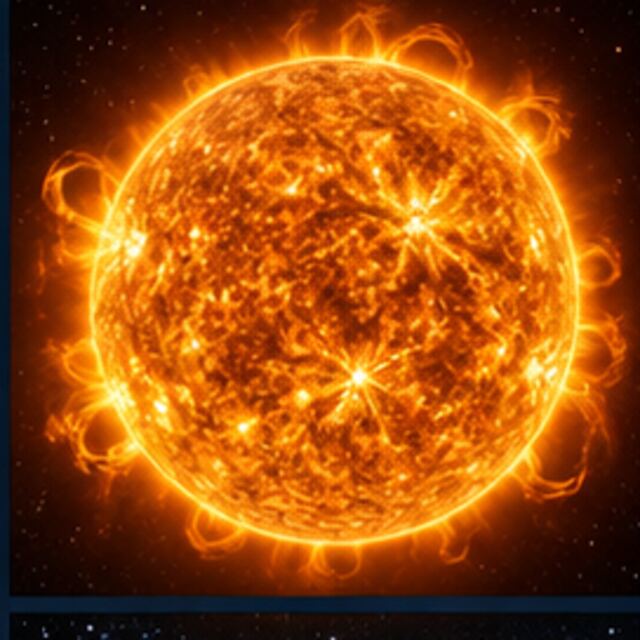
About 99.8% of all the Solar System’s mass belongs to the Sun. Planets, asteroids and comets together make up only a small fraction.
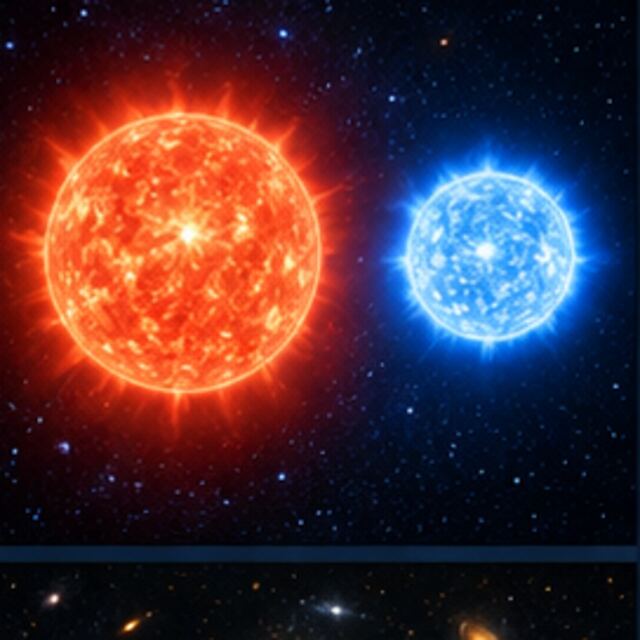
Red stars are usually cooler, while blue stars are much hotter. A blue star is actually hotter than a red one.
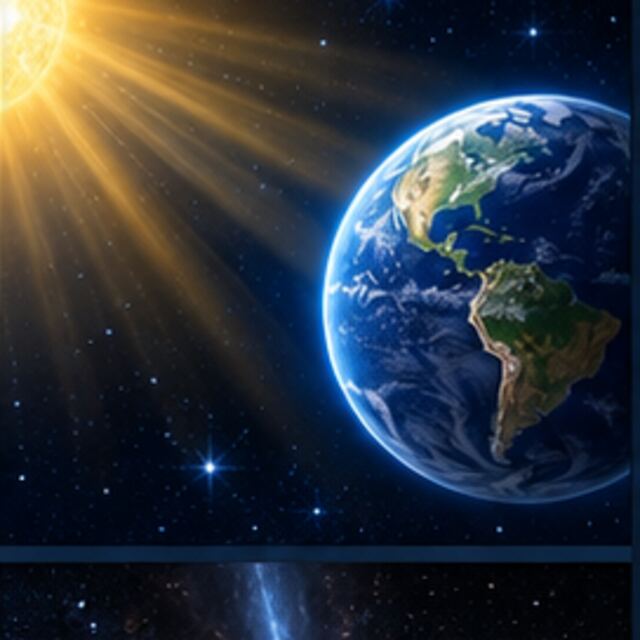
Even light needs time to travel the distance between the Sun and Earth.
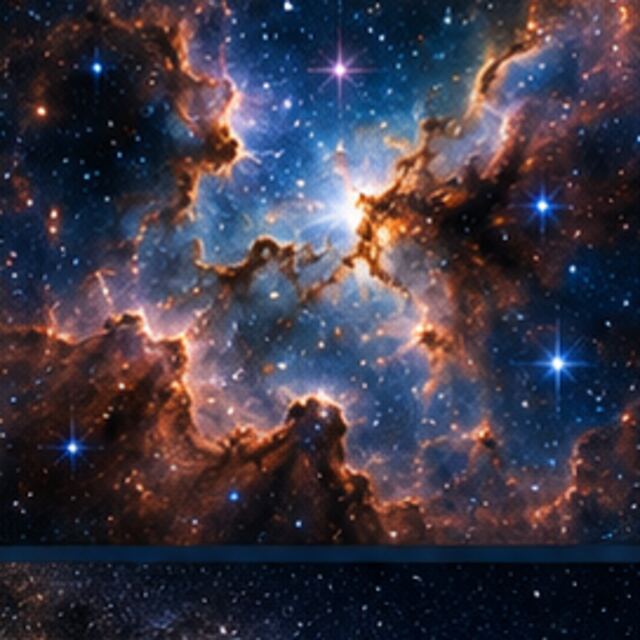
New stars form inside cold clouds of gas and dust called nebulae.
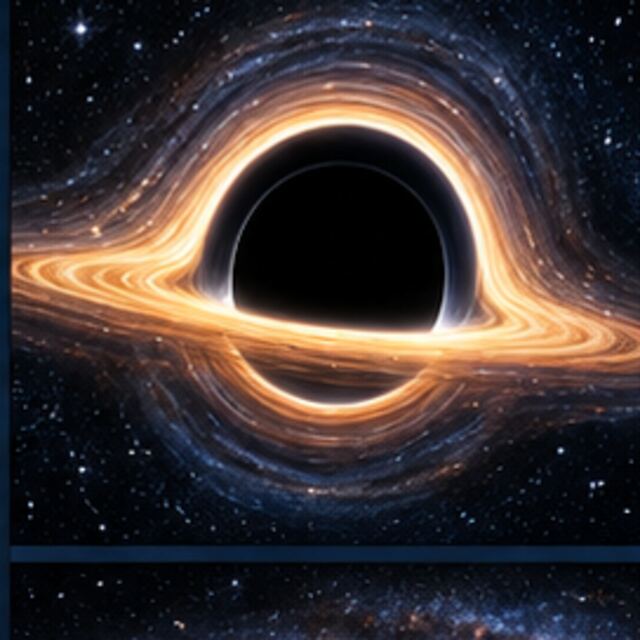
Once something crosses a black hole’s event horizon, it cannot come back out.
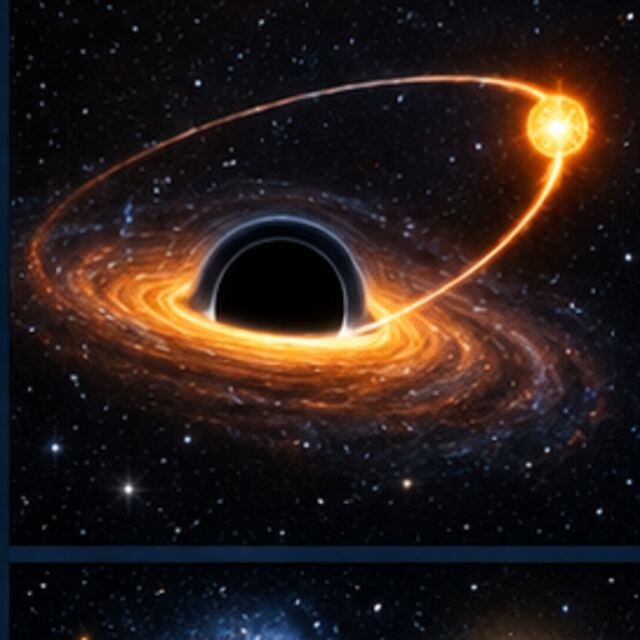
If you are far enough away, you can orbit a black hole just as a planet orbits a star.
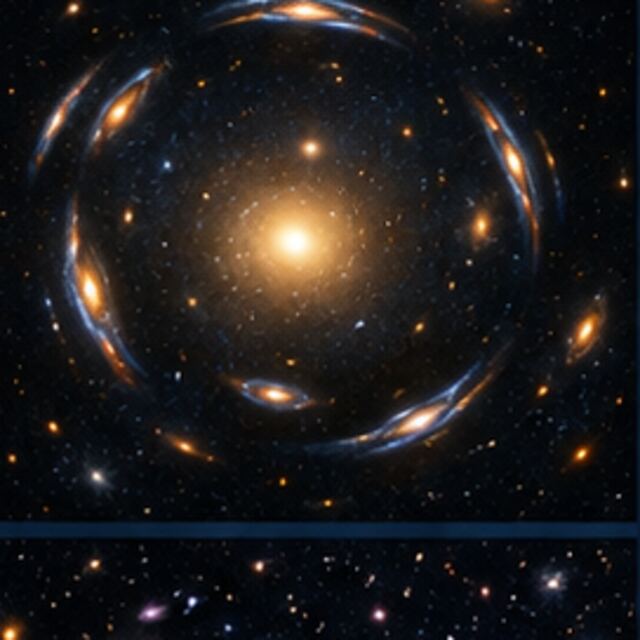
Their enormous gravity changes the path of light rays. This can give astronomers strange, distorted views of distant objects.
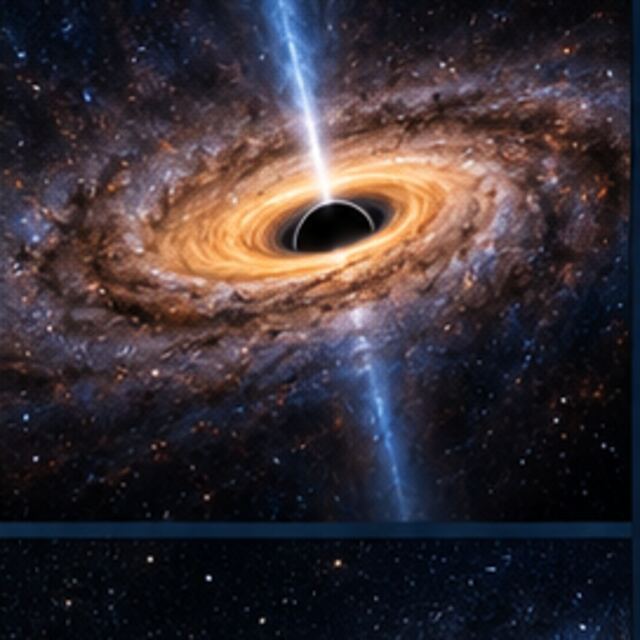
Their masses can be millions or even billions of times greater than the Sun’s mass.
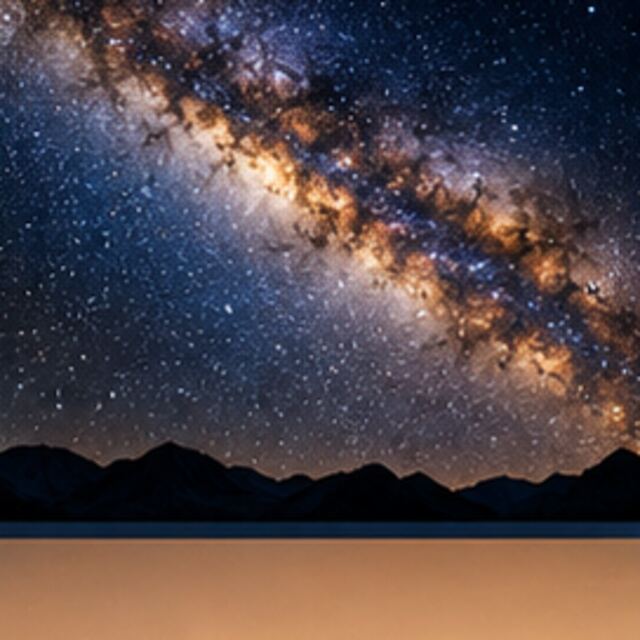
Our Sun is only one star among the enormous number of stars in our galaxy.
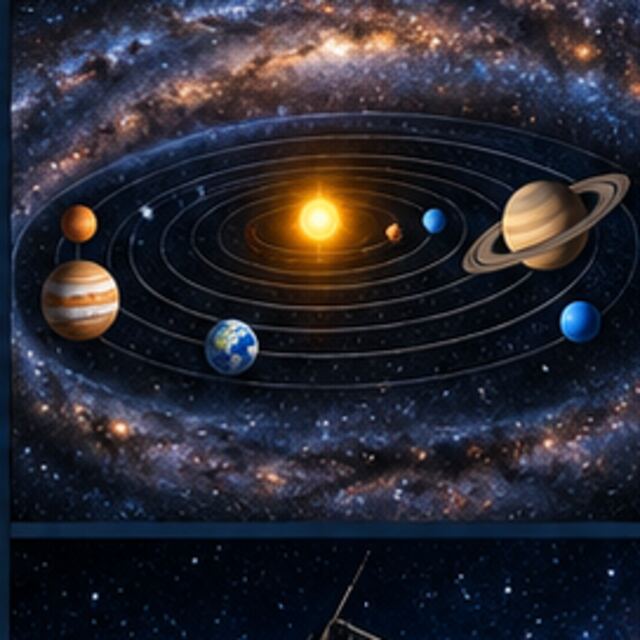
That is why we cannot photograph our own galaxy from the outside the way we photograph other galaxies.
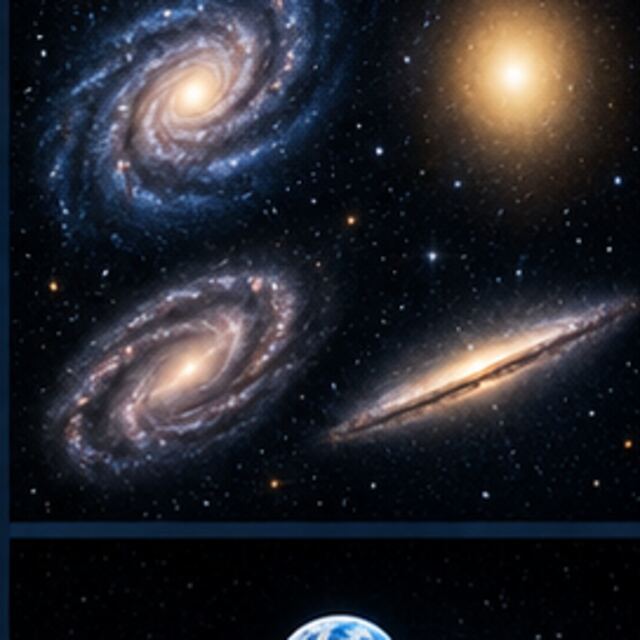
There are spiral, elliptical and irregular galaxies. The Milky Way is a spiral galaxy.
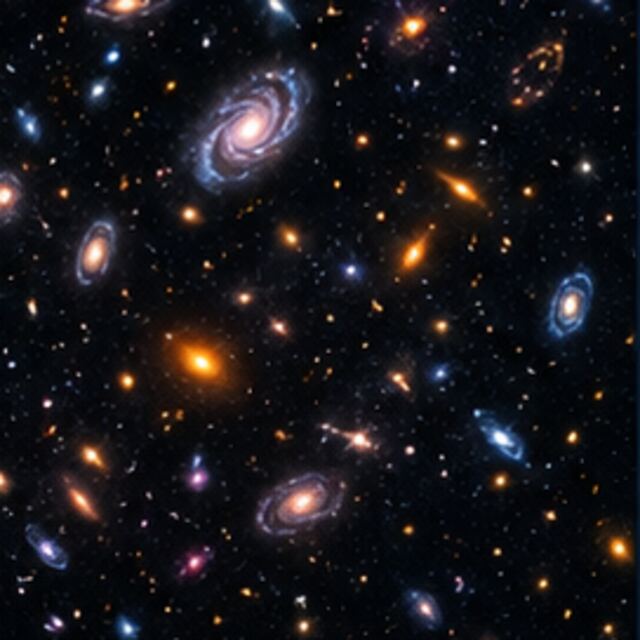
Light from very distant galaxies can take millions or even billions of years to reach Earth.
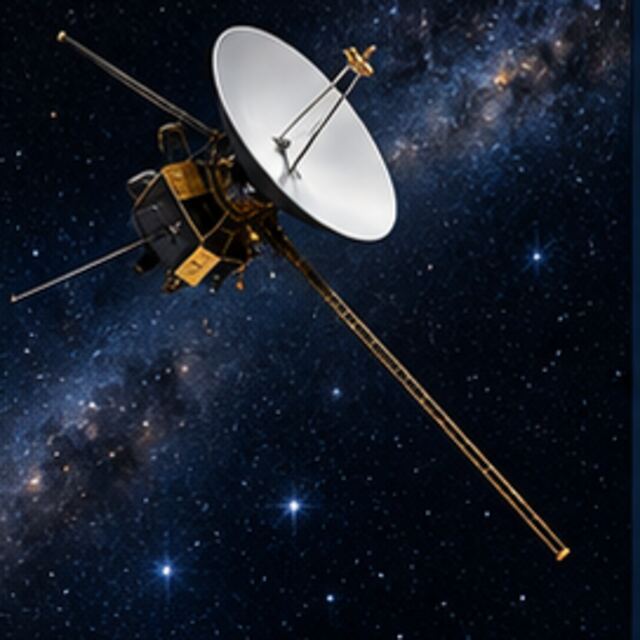
Voyager 1 launched in 1977 and is still travelling far beyond the planets of the Solar System.
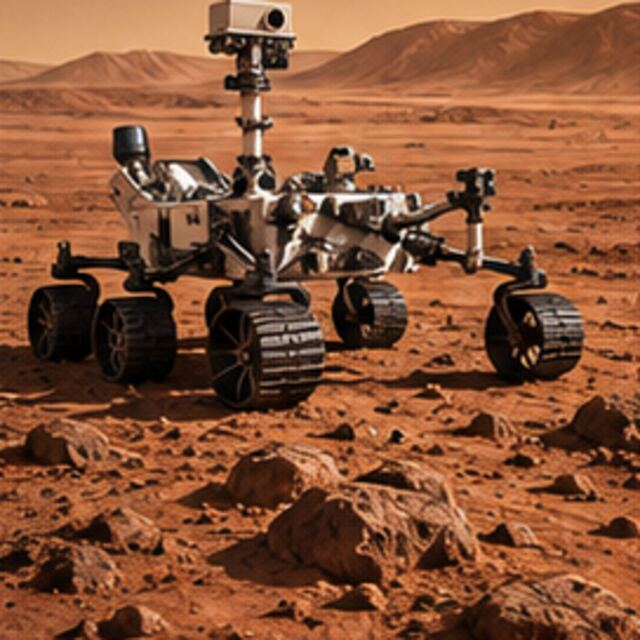
NASA’s rover explores the surface of Mars and stores rock samples in special sealed tubes.
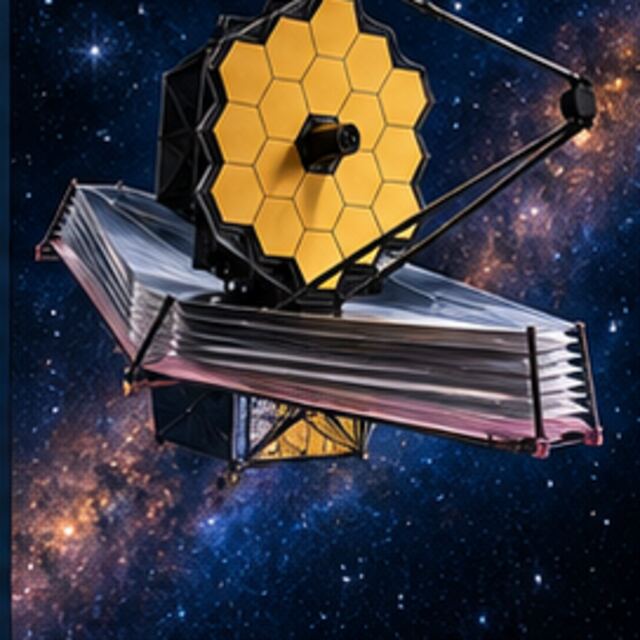
The James Webb Space Telescope observes distant stars, galaxies and planets mainly in infrared light.
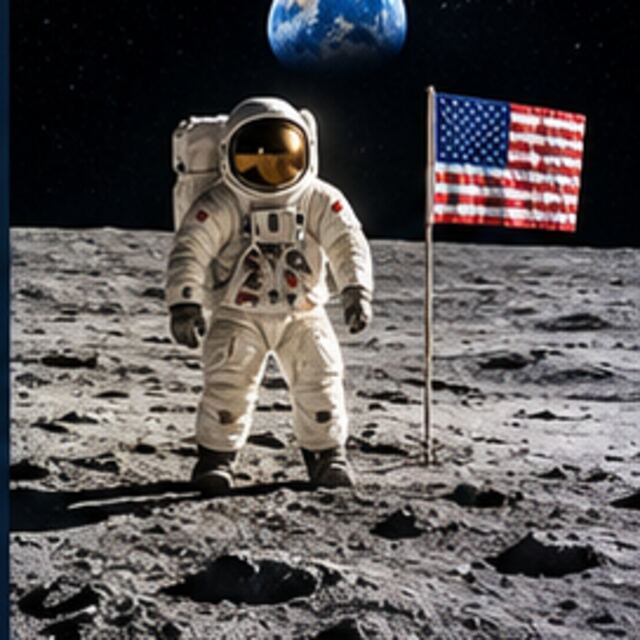
During the Apollo 11 mission, Neil Armstrong and Buzz Aldrin became the first people to walk on the Moon.